
Planning a long-distance move can feel overwhelming, especially when you are managing packing, transportation, paperwork, schedules, and countless other details. Whether you are moving to another state or relocating across the country, having a clear plan can make the process much easier.
A detailed checklist helps you stay organized, avoid last-minute stress, and ensure nothing important is forgotten. From choosing the right moving company to preparing your furniture and essential belongings, every step matters. This guide provides a practical Long-Distance Moving checklist to help you prepare before moving day.
8 Weeks Before Your Move: Start Planning
The earlier you begin planning, the smoother your move is likely to be. Start by confirming your moving date and creating a realistic moving budget. Long-distance relocations often involve transportation costs, packing materials, storage, insurance, and other expenses.
This is also the right time to research moving companies. Look for an experienced furniture mover company that offers long-distance relocation services and has a strong reputation for reliable service. Ask for written estimates and compare the services included in each quote.
When choosing a moving company, consider:
- Experience with long-distance relocations
- Licensing and insurance
- Customer reviews and reputation
- Services included in the estimate
- Delivery timelines
- Additional fees or potential charges
A professional moving company can help you understand the moving process and provide guidance based on your specific relocation needs.
6 Weeks Before Moving: Declutter Your Home
Moving is a great opportunity to reduce the number of belongings you need to transport. Go through each room and decide what you want to keep, donate, sell, recycle, or discard.
Pay special attention to:
- Old clothing
- Unused furniture
- Broken appliances
- Outdated electronics
- Duplicate household items
- Items you have not used in years
The fewer items you move, the easier and potentially more affordable your relocation may be. Large furniture pieces can take up significant space, so decide whether each item is worth transporting to your new home.
If you are unsure about moving heavy or valuable furniture, consult a professional furniture mover company. Experienced movers can help with proper handling, protection, loading, and transportation.
4 Weeks Before Moving: Organize Your Packing
At this stage, begin packing items that you do not use every day. Seasonal clothing, decorations, books, collectibles, and extra kitchen items can usually be packed early.
Use strong boxes and appropriate packing materials to protect your belongings. Fragile items should be wrapped carefully with protective materials and placed in sturdy boxes. Avoid overpacking boxes, as excessively heavy boxes can be difficult and unsafe to lift.
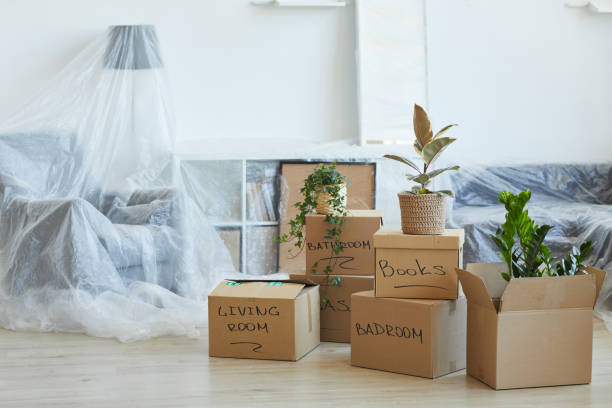
Label every box with:
- The room it belongs to
- A brief description of its contents
- Whether it contains fragile items
- Whether it should be opened first
Color-coding or using a numbering system can also make unpacking easier when you arrive at your new home.
Create an Inventory of Your Belongings
Before your move, create an inventory of the items being transported. This is particularly helpful for long-distance relocations because your belongings may travel a considerable distance before reaching their destination.
Your inventory can include:
- Furniture
- Electronics
- Appliances
- Valuable items
- Boxes and their contents
Taking photos of valuable or fragile items before packing can also provide a record of their condition. Keep important documents and personal records with you rather than placing them in the moving truck.
Important documents may include:
- Identification documents
- Financial records
- Medical records
- Insurance information
- School or employment documents
- Lease or home purchase paperwork
2 Weeks Before Moving: Confirm the Details
As your moving date gets closer, confirm all important arrangements with your moving company. Verify the pickup date, estimated delivery schedule, addresses, and contact information.
If you live in an apartment or condominium, check whether you need to reserve an elevator or loading area. Some buildings require advance notice for moving trucks and may have specific moving hours.
You should also make arrangements for:
- Utilities at your current home
- Electricity and water at your new home
- Internet and other services
- Mail forwarding
- Cleaning
- Childcare or pet care on moving day
Confirming these details early can help prevent unnecessary delays.
One Week Before Moving: Pack Your Essentials
A common mistake during Long-Distance Moving is packing everything without setting aside the items you will need immediately after arrival.
Prepare an essentials bag or box containing:
- Several changes of clothing
- Toiletries
- Medications
- Important documents
- Phone chargers
- Basic kitchen supplies
- Towels
- Snacks and bottled water
- Basic cleaning supplies
If your belongings are transported over a long distance, you may not receive everything immediately. Keeping essential items with you can make the transition much more comfortable.
Prepare Your Furniture for Transportation
Furniture requires special preparation before a long-distance move. Clean items before they are packed so dirt and dust do not become trapped during transportation.
Where possible:
- Remove drawers from large furniture
- Disassemble furniture according to manufacturer instructions
- Secure loose parts
- Protect corners and surfaces
- Wrap delicate items properly
Professional movers often use specialized equipment and protective materials to reduce the risk of damage. Hiring an experienced furniture mover company can be particularly helpful when transporting large, heavy, or valuable furniture.
Avoid attempting to move extremely heavy furniture alone. Improper lifting can result in property damage or personal injury.
Moving Day Checklist
On moving day, keep important items accessible and complete a final walkthrough of your home before leaving.
Before the movers depart, check:
- Every room
- Closets
- Cabinets
- Attics
- Garages
- Storage areas
- Outdoor spaces
Make sure all windows and doors are secure and that utilities have been handled according to your plans.
If a moving company is loading your belongings, keep your inventory list available. Check the condition of valuable or fragile items and make sure any required paperwork is complete.
After You Arrive at Your New Home
Once your belongings arrive, check boxes and furniture against your inventory. Begin by unpacking the essentials you need immediately, such as bedding, toiletries, kitchen supplies, and clothing.
Do not feel pressured to unpack everything in one day. Start with the rooms that are most important to your daily routine.
If you notice any concerns with your belongings, document them promptly and contact your moving company according to the terms of your moving agreement.
Make Your Long-Distance Move Easier with Professional Help
Long-Distance Moving involves many steps, but careful preparation can significantly reduce stress. Creating a checklist, decluttering your home, organizing your packing, and preparing your furniture can help your relocation run more smoothly.
Choosing the right furniture mover company can also make a major difference. Professional movers can assist with packing, loading, transportation, furniture protection, and other relocation needs.
With the right planning and support, your long-distance move can be organized, efficient, and much easier to manage.
Frequently Asked Questions
What should I do first when planning a long-distance move?
Start by choosing a moving date, creating a budget, researching moving companies, and determining which belongings you want to take with you. Early planning gives you more time to organize and prepare.
How far in advance should I hire a moving company?
It is generally best to begin researching and contacting moving companies several weeks before your planned relocation. Booking early may provide more flexibility with moving dates and scheduling.
Should I move all of my furniture?
Not necessarily. Consider the cost, condition, size, and value of each furniture item. If you are unsure how to transport large or valuable furniture, a professional furniture mover company can provide guidance.
How can I protect furniture during a long-distance move?
Furniture should be properly cleaned, wrapped, padded, and secured before transportation. Professional movers may use specialized protective materials and equipment to help reduce the risk of damage.
What should I keep with me during Long-Distance Moving?
Keep important documents, medications, valuables, chargers, toiletries, clothing, and other essential items with you. These belongings may be needed before the rest of your household items arrive.
How can I make unpacking easier?
Label boxes clearly by room and contents. Pack an essentials box for your first day and unpack the most important rooms first. An organized packing system can make the entire process easier.