
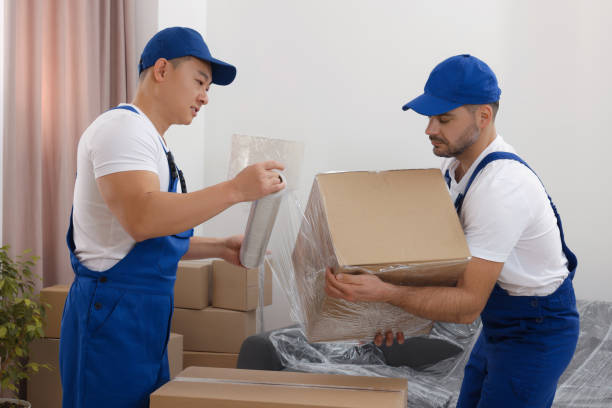
Moving in New York City is considered one of the greatest challenges in comparison to other places. Relocation of furniture is risky due to tight staircases, narrow hallways, and limited access to elevators. A minor mistake can lead to scratches on the floor. Your furniture may also be damaged.
This is where professional movers truly shine. Their expertise, tools, and systematic approach help ensure your furniture arrives safely, even in the most space-constrained environments. In this blog, we’ll explore how professional movers protect furniture in small NYC apartments, from packing techniques to maneuvering strategies and post-move care.
Why Furniture Protection Is Critical in Small NYC Apartments
Small apartments have very limited turning spaces, tight door frames, and shared building areas, due to which the floor, walls, and your furniture may be damaged. Your furniture has to be turned or rotated to exit the apartment. It can also be partially disassembled to exit.
Professional movers understand these challenges and plan every step carefully. Their goal isn’t just transportation—it’s damage prevention for your belongings and the building itself.
1. Pre-Move Assessment and Strategic Planning
Professional movers start with a pre-move walkthrough (virtual or in-person). This allows them to:
- Measure furniture and doorways
- Identify tight corners, staircases, or elevators
- Determine disassembly needs
- Plan the safest exit route
Planning the move is essential in small NYC apartments. Movers have to make strategies to reduce unnecessary handling and make sure that each item can be moved smoothly to reduce the risk of damage.
2. High-Quality Packing Materials for Maximum Protection
Professional movers use commercial-grade materials far superior to standard household supplies. These include:
- Thick moving blankets
- Bubble wrap (small and large cell)
- Stretch wrap for stability
- Corner protectors
- Custom-fit mattress covers
Each material serves a specific purpose. For example, stretch wrap keeps drawers closed without leaving residue, while blankets absorb shock during tight maneuvers.
3. Furniture Disassembly for Safer Transport
In compact apartments, large furniture pieces rarely fit through doorways intact. Professional movers disassemble items such as:
- Bed frames
- Dining tables
- Modular sofas
- Wardrobes and shelving units
All hardware is carefully bagged, labeled, and secured. Disassembly reduces size, weight, and risk—making furniture easier to maneuver without scraping walls or floors.
4. Protective Wrapping Techniques
Every furniture piece is wrapped based on its material and fragility:
- Wood furniture is padded to prevent scratches and dents
- Upholstered items are covered to guard against dirt and tears
- Glass components are wrapped separately with reinforced padding
Movers layer protection strategically, ensuring exposed edges and pressure points are fully covered—crucial in narrow NYC hallways.
5. Floor, Wall, and Doorway Protection
Professional movers don’t just protect furniture—they protect your apartment too. In small NYC spaces, they often use:
- Floor runners or cardboard paths
- Padded door jamb covers
- Wall corner guards
This is especially important in rental buildings where damage can lead to security deposit losses or fines from property management.
6. Specialized Equipment for Tight Spaces
NYC movers come equipped with tools designed for confined areas, such as:
- Furniture dollies
- Stair-climbing hand trucks
- Lifting straps
- Sliders for heavy items
These tools reduce strain, prevent drops, and allow movers to maintain control—even in narrow staircases or steep walk-ups.
7. Skilled Handling and Team Coordination
Professional movers communicate continuously during the move, as it is necessary to coordinate while moving in a small apartment. Movers call out turns, angles, and clearance points to avoid collisions.
This teamwork ensures furniture is tilted, lifted, and rotated smoothly—without sudden movements that could cause damage.
8. Smart Loading and Secure Transport
Protection doesn’t stop once furniture leaves your apartment. Movers load items into the truck in a precise order:
- Heavy items placed first for stability
- Fragile furniture secured upright
- Blankets and straps used to prevent shifting
Proper loading is crucial to prevent damage during NYC traffic stops, turns, and vibrations.
9. Climate and Environmental Considerations
New York’s weather can be unpredictable. Professional movers account for:
- Rain and snow protection
- Humidity control for wood furniture
- Protective coverings during extreme heat or cold
Furniture is shielded from moisture and temperature changes that could cause warping, swelling, or fabric damage.
10. Insurance Coverage and Liability Protection
One of the biggest advantages of hiring professional movers is insurance coverage. Reputable NYC moving companies offer:
- Basic valuation coverage
- Full-value protection options
This provides peace of mind, especially when moving expensive furniture in challenging small-apartment conditions.
Why DIY Moves Fall Short in Small NYC Apartments
While DIY moves may seem cost-effective, they often result in:
- Damaged furniture
- Injured movers
- Building fines
- Higher long-term costs
Professional movers bring experience, equipment, and accountability—making them a smarter investment for small NYC apartment moves.
Final Thoughts
Moving furniture in small NYC apartments requires more than muscle—it requires strategy, skill, and specialized protection. Professional movers excel by combining planning, high-quality materials, expert handling, and insurance coverage to ensure your furniture stays safe from start to finish.
Whether you’re relocating within Manhattan, Brooklyn, Queens, or the Bronx, trusting professionals can save you time, stress, and costly damage.
Frequently Asked Questions (FAQs)
1. How do movers protect furniture in narrow NYC hallways?
They use padded blankets, corner protectors, and careful maneuvering techniques to prevent scrapes and dents.
2. Do professional movers disassemble furniture in small apartments?
Yes. Disassembly is common for beds, tables, and large furniture to ensure safe removal.
3. Are floors and walls protected during the move?
Reputable movers use floor runners, wall guards, and doorway padding to prevent property damage.
4. What packing materials do professional movers use?
They use commercial-grade blankets, bubble wrap, stretch wrap, and custom covers.
5. Can movers handle walk-up apartments without elevators?
Absolutely. NYC movers are experienced with walk-ups and use stair-specific equipment.